MagaBox serves you wholeheartedly, we will continue to optimize our products, just for giving you the best product experience.
MagaBox
MagaBox serves you wholeheartedly, we will continue to optimize our products, just for giving you the best product experience.
MagaBox


Unveils IPTV downsides while answering key questions about its legality, value, and features. Whether you’re eyeing free streams or premium services, let’s explore the hurdles and how to overcome them to craft a radiant streaming experience in 2025.

Curious about diving into Internet Protocol Television (IPTV) but wondering what pitfalls might lurk beneath its dazzling surface? In 2025, IPTV is captivating viewers with its promise of live TV, movies, and global channels streamed seamlessly over the internet. Yet, like any technology, it comes with challenges that could dim its allure. From legal concerns to potential ISP blocks, this guide unveils IPTV downsides while answering key questions about its legality, value, and features. Whether you’re eyeing free streams or premium services, let’s explore the hurdles and how to overcome them to craft a radiant streaming experience in 2025.
IPTV as a technology is entirely legal in the US, serving as a conduit for delivering TV content via the internet. Verified services like YouTube TV, Hulu + Live TV, or FuboTV operate within the Copyright Act of 1976, securing licenses for live channels and on-demand content, ensuring compliance and creator compensation. However, the legality of IPTV hinges on the source. Unverified services offering pirated streams without proper licensing can violate US copyright laws, potentially leading to service shutdowns or legal action against providers.
While individual users are rarely prosecuted for streaming unverified IPTV, risks persist. Unlicensed services may deliver low-quality streams, expose your data to privacy breaches, or vanish overnight. To stay safe, opt for verified providers or free-to-air (FTA) channels, which are legally accessible via M3U playlists on platforms like GitHub. Check provider credibility on sites like TROYPOINT to avoid legal gray areas, ensuring a vibrant, compliant streaming experience.

Your Internet Service Provider (ISP) can indeed interfere with IPTV. ISPs may throttle bandwidth-heavy streaming, causing buffering or reduced quality, especially during peak usage. Some providers actively block unverified IPTV services by detecting specific traffic patterns, particularly if they suspect unlicensed content. In rare cases, ISPs may issue warnings or restrict access to comply with copyright enforcement, impacting your streaming flow.
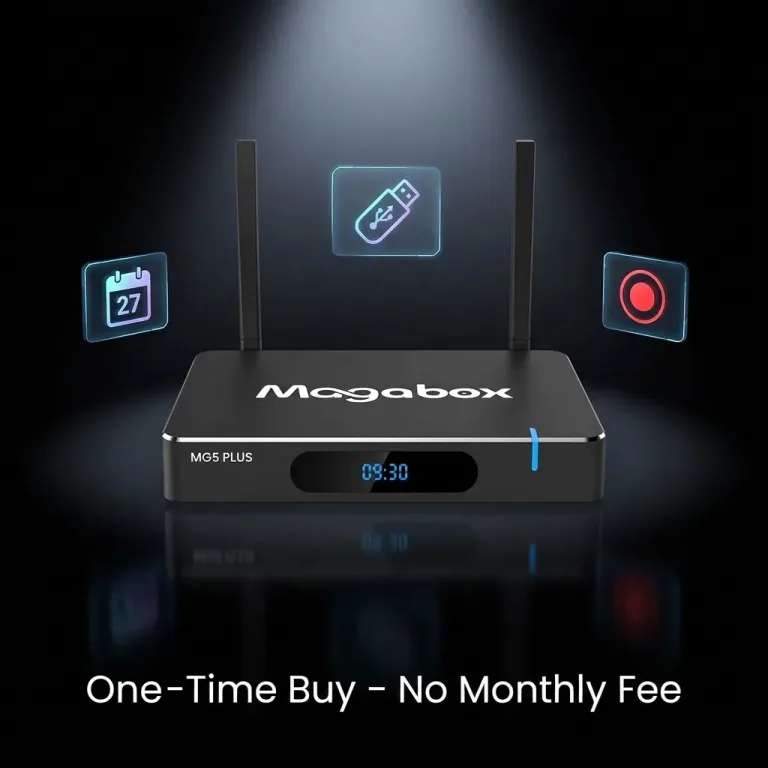
To counter ISP throttling, a Virtual Private Network (VPN) like NordVPN encrypts your traffic, masking IPTV activity and preventing slowdowns. A stable internet connection (15 Mbps+ for HD, 25 Mbps+ for 4K) also minimizes disruptions. Devices like the Magabox, designed in the USA, include anti-buffering tech to enhance performance. By pairing a reliable device with a VPN, you can sidestep ISP blocks and maintain a seamless, radiant IPTV experience.

Compared to cable or satellite, IPTV offers unmatched flexibility and cost savings. Cable averages $1,200 annually, while IPTV ranges from free (FTA channels) to $20–$80 monthly for services like Sling TV. IPTV’s customizable playlists and global content outshine cable’s rigid packages, but it relies on internet stability, unlike cable’s consistent signal. Satellite TV, while reliable in rural areas, often requires costly equipment and contracts, making IPTV a compelling alternative for urban streamers.
Newer technologies like cloud-based streaming platforms (e.g., Netflix with live events) or 5G-powered mobile apps are gaining traction. These offer high-quality, on-demand content but lack IPTV’s live TV focus and playlist flexibility. For now, IPTV’s blend of live and on-demand streaming, especially with devices like Magabox offering no monthly fees, remains a powerhouse for cord-cutters, though 5G advancements may close the gap in the future.
Paid IPTV services, like Philo or YouTube TV ($20–$80/month), deliver a premium experience with 4K/6K streams, anti-buffering tech, and features like cloud DVR. Licensed content, including premium channels like HBO, ensures reliability and compliance, backed by robust support. For viewers craving flawless playback and exclusive programming, paid IPTV is a resplendent investment, offering a curated entertainment universe.
Free IPTV, accessed via FTA channels or devices like the Magabox, offers entertainment freedom with over 2,000 channels for a one-time purchase. However, free options may suffer from inconsistent quality, buffering, or legal risks if sourced improperly. Casual streamers may find free IPTV’s affordability dazzling, but paid services excel for those prioritizing polish and dependability.
Catch-up TV on IPTV lets you watch programs aired hours or days ago, blending live TV with on-demand flexibility. Paid services like FuboTV offer built-in catch-up or cloud DVR, storing content for weeks. Free IPTV apps may provide limited catch-up via M3U playlists with time-shifted streams, ensuring you never miss a game or episode.
Apps like TiviMate or IPTV Smarters Pro enhance catch-up with intuitive Electronic Program Guides (EPGs), letting you browse past broadcasts. Verify your provider’s catch-up support on forums like IPTV Insider. A device with ample storage, like the Magabox, supports seamless playback. Catch-up transforms IPTV into a time-shifting marvel, perfect for busy schedules.

Streaming IPTV without a VPN exposes your activity to risks. ISPs can throttle your connection, degrading stream quality, or monitor your traffic, especially with unverified services. Unlicensed IPTV may raise legal concerns under US copyright laws, and unprotected connections leave your IP address vulnerable to tracking or cyberattacks, particularly on public Wi-Fi.
A VPN, like ExpressVPN or Surfshark, encrypts your traffic, preventing ISP throttling and masking your IP for privacy. It also unlocks geo-restricted FTA content legally, expanding your options. Choose a VPN with high-speed servers and a no-logs policy for 4K streaming. While not mandatory, a VPN elevates IPTV into a secure, boundless experience, safeguarding your digital journey.

IPTV’s reliance on internet connectivity makes it prone to instability. Fluctuating bandwidth, server overloads, or poorly maintained free services can cause buffering or stream drops. Unverified providers often use underpowered servers, leading to lag, especially during peak viewing times like live sports events. Even verified services may falter if your internet dips below 15 Mbps for HD or 25 Mbps for 4K, highlighting IPTV’s sensitivity to network conditions.
To combat instability, ensure a robust internet connection with Ethernet or dual-band Wi-Fi (2.4G/5G). Devices like the Magabo, with anti-buffering technology, optimize performance. Choose verified services like YouTube TV for reliable servers, or vet free M3U playlists on trusted platforms like GitHub. Regular firmware updates and a VPN to prevent throttling further stabilize your streams, ensuring a smooth, radiant viewing experience.
IPTV can be a bandwidth hog, especially for high-definition streams. Standard HD streaming requires 5–10 Mbps, while 4K/6K demands 25–50 Mbps per stream. Multiple devices streaming simultaneously or background internet usage (e.g., gaming, downloads) can strain your connection, leading to buffering. Free IPTV services may use inefficient compression, increasing data demands compared to optimized paid platforms.
To manage IPTV’s internet consumption, upgrade to a high-speed plan (50 Mbps+ for households). Prioritize IPTV traffic using Quality of Service (QoS) settings on your router. Devices like the Magabox support efficient streaming protocols, reducing bandwidth strain. Limit concurrent streams and use a VPN to bypass ISP throttling, ensuring your internet keeps up with IPTV’s dazzling demands.

Low-quality IPTV streams often stem from free or unverified services using outdated servers or poor compression, resulting in pixelated visuals or stuttering audio. Insufficient internet speeds (below 15 Mbps for HD) exacerbate issues, as does server congestion during popular events. Free M3U playlists may link to low-bitrate streams, while paid services like FuboTV invest in high-quality feeds for sharper visuals.
To enhance quality, opt for verified providers with 4K/8K support or reputable free sources. Ensure a stable internet connection (25 Mbps+ for 4K) and use devices like the Magabox with robust processors for smooth playback. Apps like TiviMate optimize stream rendering, and checking provider reviews on TROYPOINT helps identify high-quality services, transforming IPTV into a crystal-clear experience.
IPTV’s legitimacy depends on the provider. Services like Hulu + Live TV, YouTube TV, or Sling TV are fully legit, operating with proper licensing under US copyright laws. Devices like the Magabox, designed in the USA, offer no monthly fees for FTA channels, ensuring legal access to public broadcasts. These options provide reliable, compliant streaming with robust support.
Unverified IPTV services promising thousands of premium channels for unrealistically low prices often lack licenses, risking legal issues or data breaches. Signs of shady providers include no official website, poor customer support, or frequent outages. Research providers on forums like IPTV Insider and stick to verified or FTA sources to ensure a legit, worry-free IPTV experience.

Netflix excels in on-demand streaming, offering a vast library of exclusive series, movies, and documentaries in 4K with reliable quality. Its $6–$20 monthly plans are user-friendly but lack live TV, sports, or global channels. Netflix’s curated content is polished but limited to its catalog, with no option for custom playlists or live broadcasts.
IPTV shines with live TV, global channels, and customizable playlists via apps like IPTV Smarters Pro. Free options like FTA channels or devices like Magabox offer entertainment freedom, while paid IPTV provides live sports and catch-up features Netflix can’t match. However, IPTV’s quality varies, and it requires internet stability. Choose Netflix for on-demand consistency, or IPTV for live TV and variety.
A dedicated IPTV device, like the Magabox, simplifies streaming with a plug-and-play setup. Connect via HDMI, link to Wi-Fi or Ethernet, and access pre-configured services or apps like TiviMate. With quad-core processors and 128GB storage, these devices ensure smooth 4K/6K playback, ideal for users seeking a hassle-free, high-performance experience.
IPTV doesn’t require a device. Smart TVs or Google TVs run apps like IPTV Smarters Pro directly, while smartphones or computers can cast to non-smart TVs using Chromecast or Roku. These options offer flexibility for budget-conscious users, though dedicated devices often provide superior performance for heavy streaming, making them a worthwhile choice for avid viewers.
IPTV’s downsides—legal risks, ISP throttling, and quality inconsistencies—don’t overshadow its potential. With verified services, devices like the Magabox offering no monthly fees, and apps like TiviMate, you can navigate challenges for a radiant streaming experience in 2025. Use a VPN for safety, explore catch-up features, and weigh free versus paid options to find your perfect fit. Start at Magabox Official Store and unlock a smarter way to stream!